
Bright enough for an Australian footpath.
Midday sun on a shop window is around 80,000 to 100,000 lux. A living-room TV puts out 250 to 350 nits and turns into a mirror. The window screens we supply run at 700, 1,800 and 4,000 nits, with light sensors that turn them up at noon and down at night.
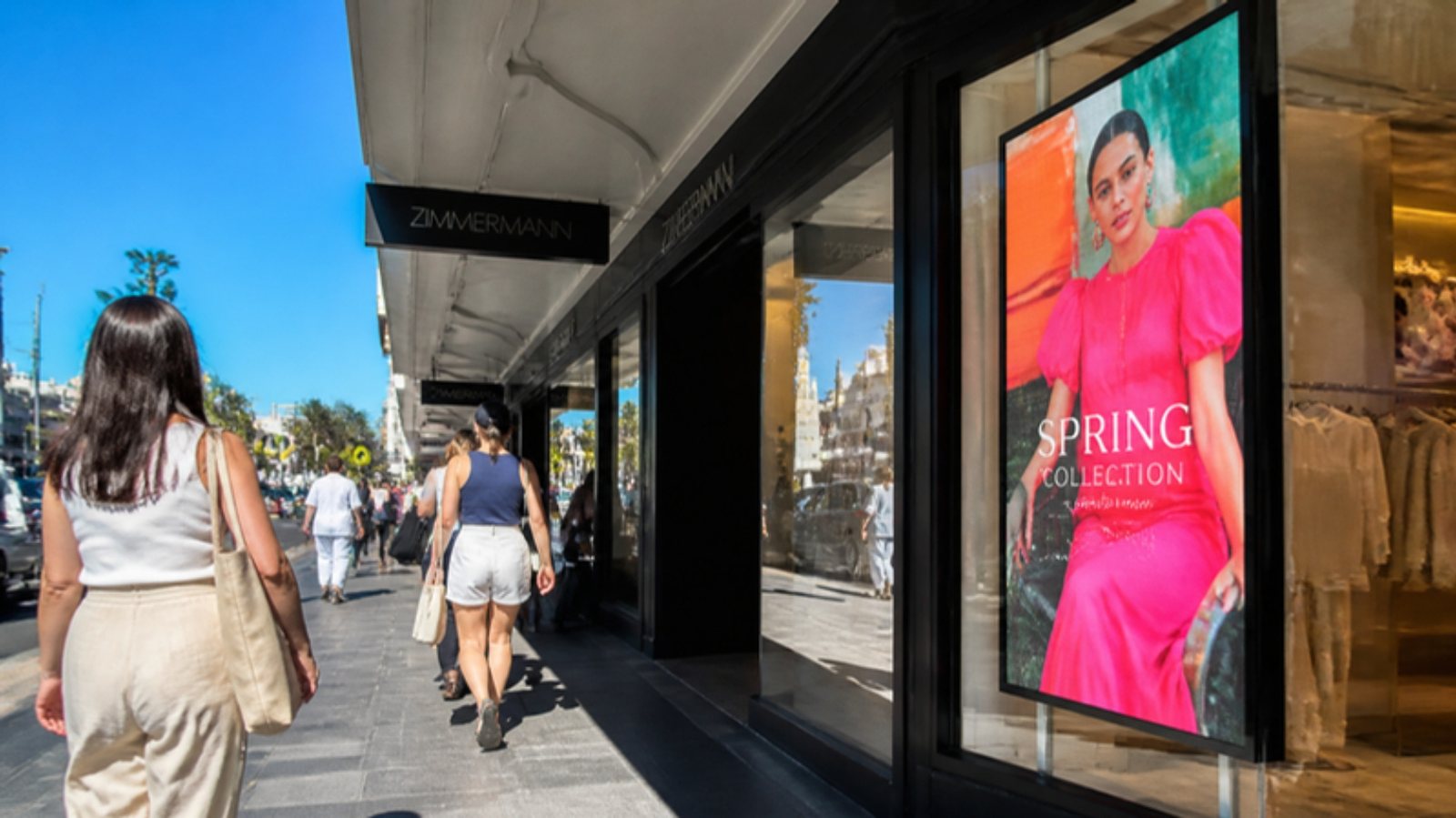
Turn up the sun. Watch which screens survive.
Drag from a dim room to full sun. Each screen shows the same picture; the brighter the room, the more the glass reflects and the more a dim panel washes out. The verdicts follow the rule of thumb installers use: the panel needs to out-shine the light bouncing off its glass by a clear margin.

The model is a simplification: it treats about 2% of the ambient light as glare on anti-glare glass and compares that with the panel's output. Real results depend on the glass, the angle of the sun and what is behind the viewer. We measure the site before recommending a brightness.
One candle per square metre. Here is how many you need.
A nit (cd/m²) is how much light a screen gives off. The right number depends on where the screen is, not how big it is.
| Brightness | Where it works | Where it fails | Our screens |
|---|---|---|---|
| 250-350 | A lounge room with the curtains drawn | Any shop, any window, any daylight | None. We do not supply consumer TVs |
| 400-600 | Lobbies, waiting rooms, menu boards, boardrooms | Facing a window or under skylights | DSUT4K range, DSSF4k600, DSWDN standard |
| 700 | Shelf edges and counters under bright store lighting | Direct sun | DSEOI-370V2W bar, DSDDK-3713T kiosk |
| 1,000 | Food courts, medical, bright retail, wet areas (IP65) | Direct sun | DSIDHDT-1KIP65 |
| 1,800-2,500 | Shaded windows, forecourts, undercover outdoor | Full sun on the glass | DSOBP-4300, DSWDN high-bright options |
| 3,000-4,000 | Shop windows in direct sun, entrances, car parks | Nothing in Australia we have found | DSWFHD-553K, 75-inch full outdoor IP66, DSTLED-P391 transparent LED |
| 5,000+ | Fully exposed outdoor LED | - | Outdoor LED, quoted per site |
Seven screens that win against the sun.
From key suppliers of high-bright panels, specified by design with more RAM and more on-board storage than the so-called leading brand names. All supplied, installed and supported across Australia, all Cosmos ready, all rated for 24/7.
75-inch window-facing portrait display
4,000 nits
Shopfront windows in direct sun, property windows, entrances.
75" · 2160 × 3840 portrait
Transparent LED for windows
2,000-4,000 nits
Glass facades and shop windows that stay see-through.
P3.91 pitch · any width and height
75-inch full outdoor display, IP66
3,000 nits IP66
Fully exposed outdoor walls: forecourts, car parks, transport, drive-throughs.
75" · 3840 × 2160 · landscape or portrait · 6 mm anti-glare glass
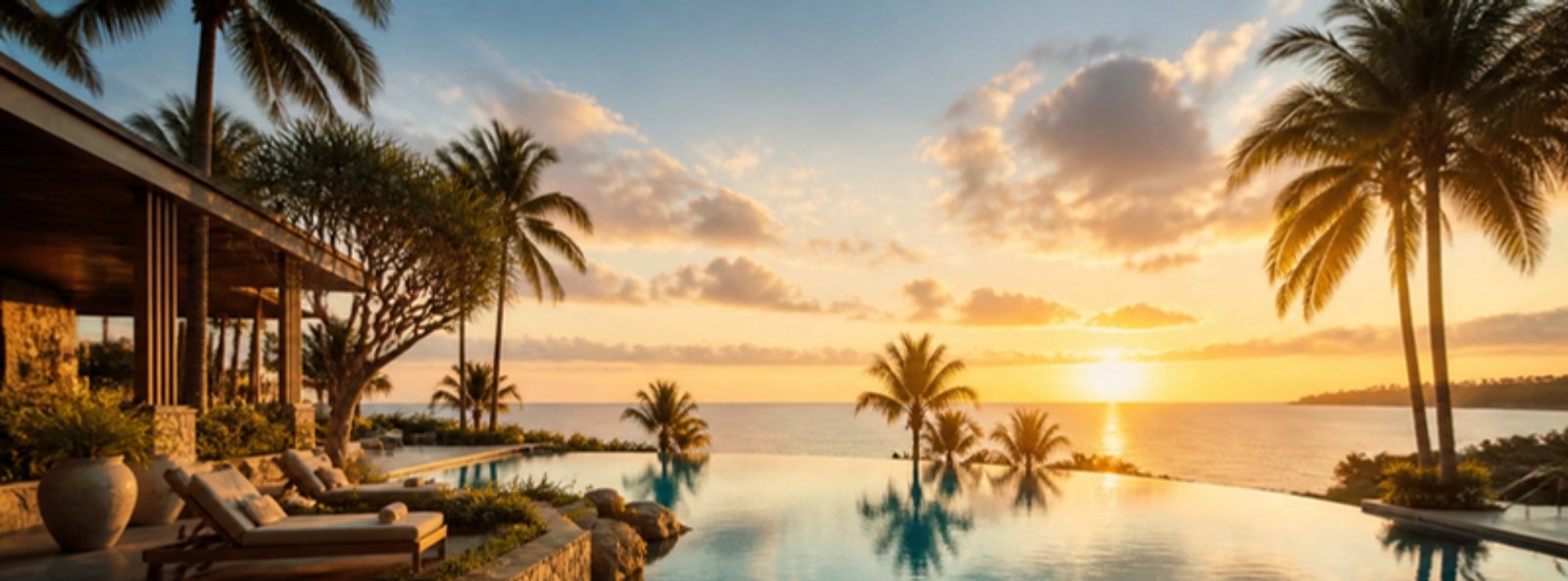
Timber-framed displays 21.5 to 65 inches
400-2,500 nits
Hospitality, hotels, corporate fit-outs, window-adjacent placement.
21.5" to 65" · Full HD or 4K
43-inch battery-powered outdoor display
1,800 nits IP65
Forecourts, events, queues, anywhere without cabling.
43" · 1080 × 1920 portrait

23.8-inch IP65 touch display
1,000 nits IP65
Food, medical, outdoor-facing and wet areas.
23.8" · Full HD · 10-point touch
Fine-pitch LED video wall
800 nits
Lobbies, auditoriums, control rooms, flagship stores.
P1.56 pitch · COB · 10,000:1 contrast

37-inch ultra-wide stretched bar
700 nits
Shelf edges, counters, doorways, gondola strips.
37" · 1920 × 540 (32:9)

Dual-screen floor kiosk, 13.3-inch touch + 37-inch portrait bar
700 nits
Retail and pharmacy aisles: browse on top, promote below.
13.3" touch (1920 × 1080) + 37" bar (540 × 1920)
A consumer TV in a window fails in about a year. Here is why.
- Not bright enough: 250-350 nits is a mirror in daylight
- Not built for heat: a window in January cooks a consumer panel
- Not rated for 24/7: a TV is designed for 6 hours a day, a commercial panel for 60,000 hours
- No light sensor: full brightness at midnight, too dim at noon
- No commercial warranty: most consumer warranties are void in a shop
- Burn-in on static content such as logos and prices
Light sensor
Window screens read the ambient light and set their own brightness: full output at noon, dimmed at night, less power, longer panel life.
Working hours
Cosmos puts the screen to sleep when you close and wakes it before you open, per site, from the Schedule page.
Thermal design
Metal enclosures, tempered glass and proper airflow keep a 4,000-nit panel inside its operating range behind glass in summer.
60,000 hours
About twelve years at 14 hours a day. The screen outlives two refits.
About brightness.
Will a 4,000-nit screen be blinding at night?
No. The light sensor dims it to suit the street, and Cosmos working hours can turn it off or dim it further after closing.
Does brighter mean a bigger power bill?
A 75-inch 4,000-nit window screen draws more than an indoor panel, but the sensor keeps it at full output only while the sun demands it. A typical window screen costs a few dollars a week to run.
Can I put a normal commercial screen in a window?
Only if the window is shaded all day. If the sun ever lands on the glass, you will be able to read the reflection of the street better than your content. We measure before we recommend.
Does the window glass matter?
Yes. Tinted or low-E glass can take a third of the light away, and reflections from the street matter as much as the sun. That is why we look at the site, not just the catalogue.
Not sure how bright your window needs to be?
Send a photo of the window at midday and the address. We will tell you.